Building a Recovery Routine That Fits Around Your Game/Hobby
Every January, people vow to "get serious about recovery." By February, the foam roller is a coat rack.
I get it. Life is busy, and a recovery plan that needs an hour a day won't last a week. The good news is that the best routine is a short one you'll actually keep. Here's how I help patients build one around their sport, not the other way around.
Rule #1: Make It Easy
If it takes more than a couple of minutes to set up, you'll skip it. Keep your tools where you can reach them, and tie recovery to something you already do, like your coffee, your favorite show, or getting home from the court.
The Simple Weekly Framework
- After hard sessions: pick one or two recovery tools.
- On rest days: keep it gentle, with light movement and one relaxing tool.
- Every day: sleep, water, and a few minutes of mobility work.
Sample Routines
The Pickleball Player (plays 3 to 4 times a week)
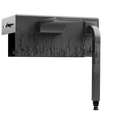
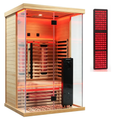
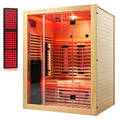
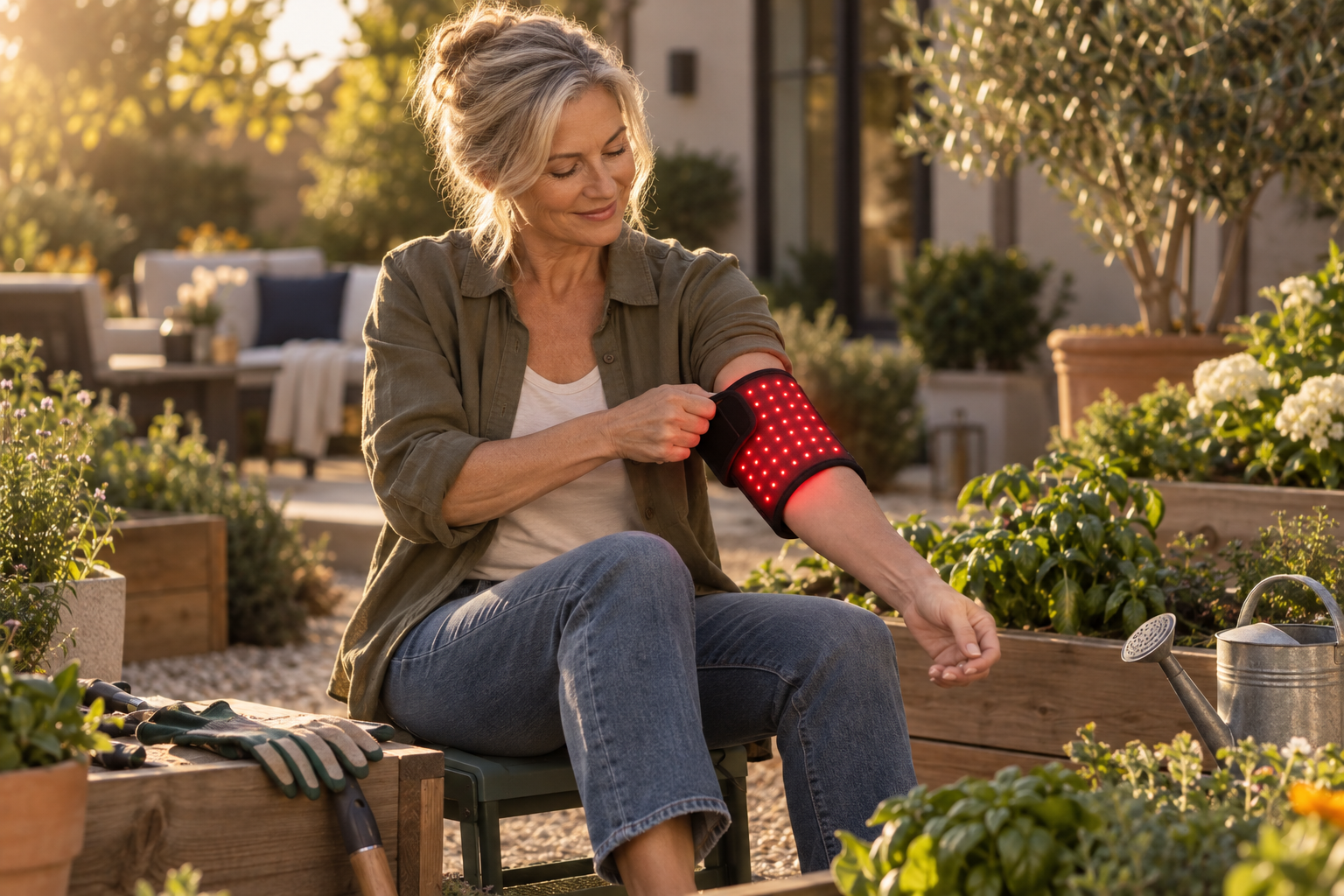
- After play: red light therapy on knees or shoulders, 10 to 20 minutes.
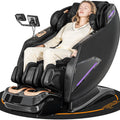
- Rest day: a few minutes in a massage chair, plus a short walk.
The Golfer (plays 1 to 2 rounds a week)
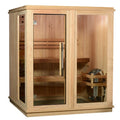
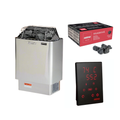
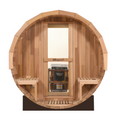
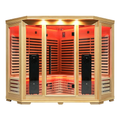
- After the round: red light therapy on the lower back, then a warm, relaxing wind-down in a sauna.
- Between rounds: five minutes of hip and back mobility work.
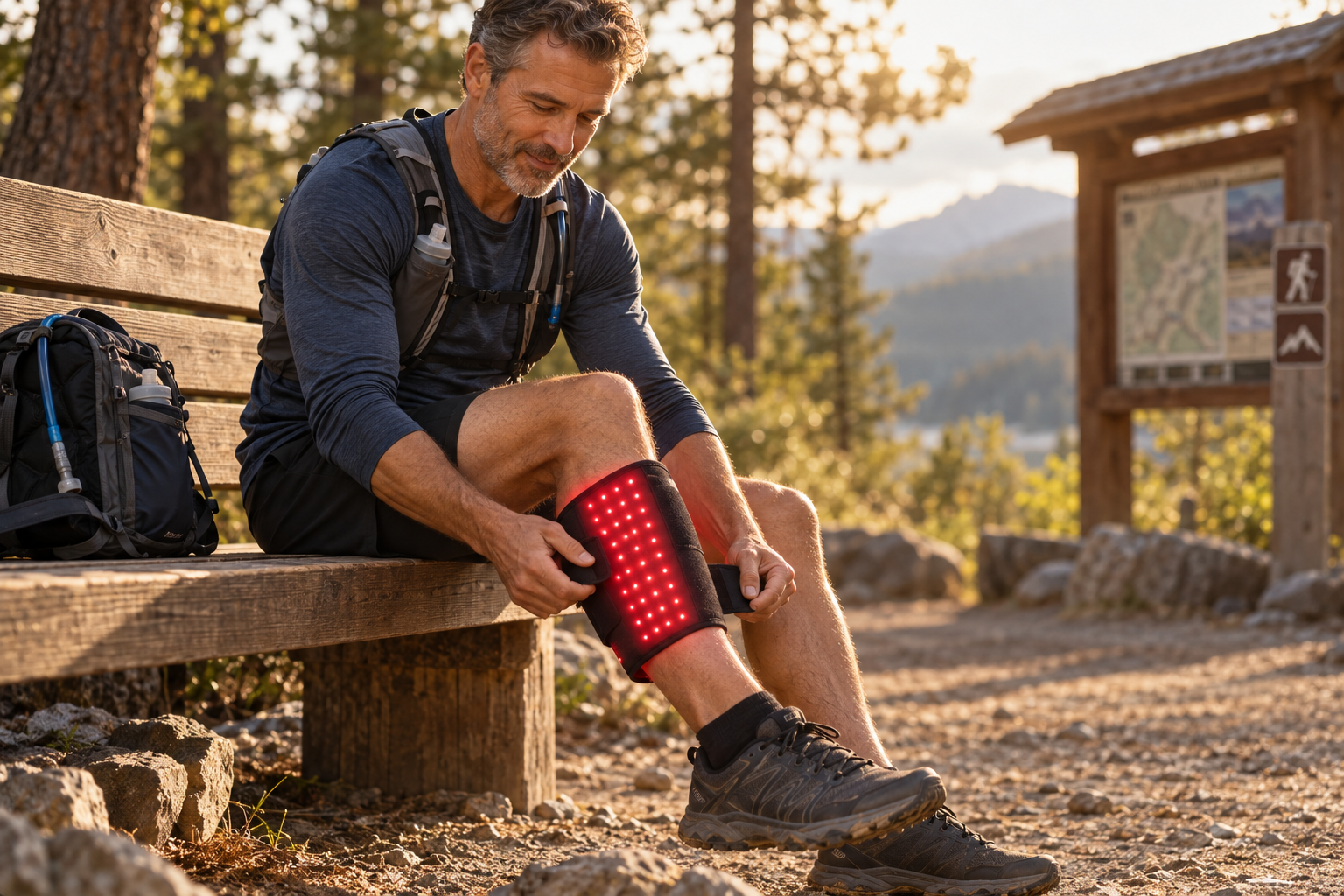
The Runner or Hiker
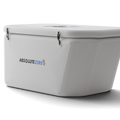
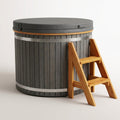
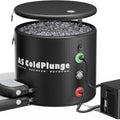
- After long efforts: a short cold plunge (start with one minute, never alone when you're new).
- Next day: red light therapy on calves and knees.
Follow your device's instructions for session length and frequency. These are starting points, not rules.
How to Make It Stick
- Start with one habit. Not five. Add a second one after a month.
- Attach it to something you already do. After the final point, you plug in the pad.
- Track it simply. A checkmark on the calendar works.
- Pay attention to how you feel. Notice how your next game feels after four weeks.
- Don't punish yourself for a missed day. Consistency over weeks matters more than perfection.
When to Call a Professional
Soreness is normal. Sharp pain, swelling, a joint that gives out, or pain that keeps getting worse is not. Recovery tools support healthy bodies, and they don't replace an exam when something's wrong. If something feels off, get it checked.
The Bottom Line
The goal isn't a perfect routine. It's a routine short enough to keep and good enough to help you stay in the game you love. Pick one tool, use it consistently, and build from there.
Ready to start? Browse our recovery equipment and find the tool that fits your game.
Disclaimer: This content is for general wellness and educational purposes only and is not intended to diagnose, treat, cure, or prevent any disease or condition. It is not a substitute for professional medical advice. Consult your physician or healthcare provider before starting any new recovery routine, especially if you have a medical condition, are pregnant, or have persistent pain or swelling. Follow manufacturer instructions for all equipment.