Sauna vs. Cold Plunge vs. Red Light: What's Right for You?
"Doc, should I buy a sauna, a cold plunge, or a red light panel?"
I hear this question constantly, and my honest answer is: it depends on what you're trying to fix. Each tool does a different job. Here's a plain-English breakdown so you can pick the one that fits your body, your sport, and your space.
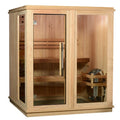
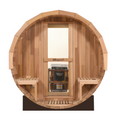
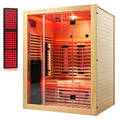
Infrared Sauna: Heat to Loosen Up and Unwind
What it does: Warms your body, helps muscles feel looser, and gives you a relaxing wind-down.
Best for: Stiffness, tight muscles, stress, and anyone who wants a calming end-of-day ritual.
Keep in mind: It needs floor space and a power outlet, and sessions are longer, typically 15 to 30 minutes.
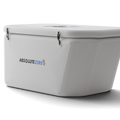
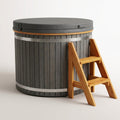
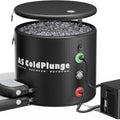
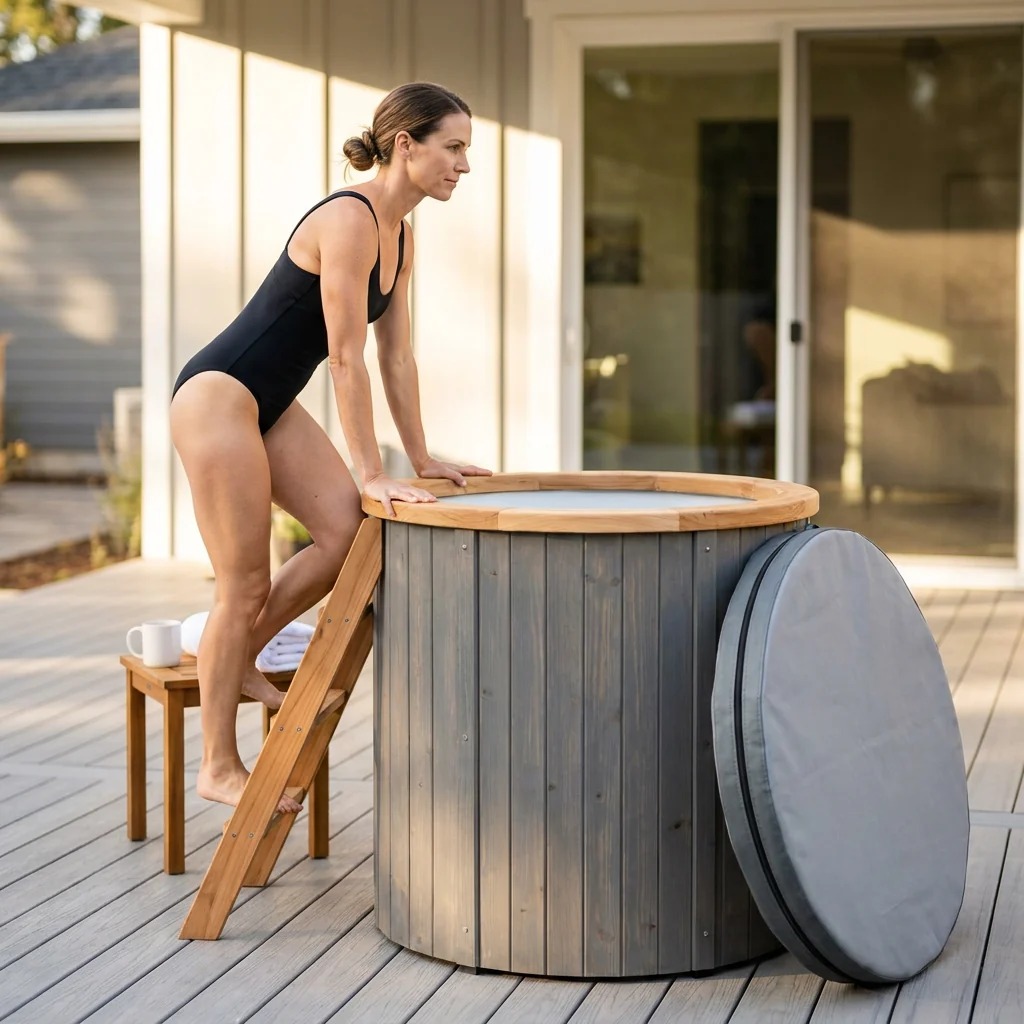
Cold Plunge: Cold to Take the Edge Off
What it does: Brief cold-water immersion is studied for easing post-exercise soreness and can feel refreshing.
Best for: Hard-hitting sessions, tournament weekends, and people who like a bracing reset.
Keep in mind: It isn't for everyone (check with your doctor if you have heart or circulation concerns), and it needs space and water.
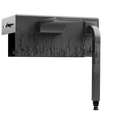
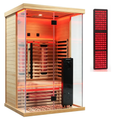
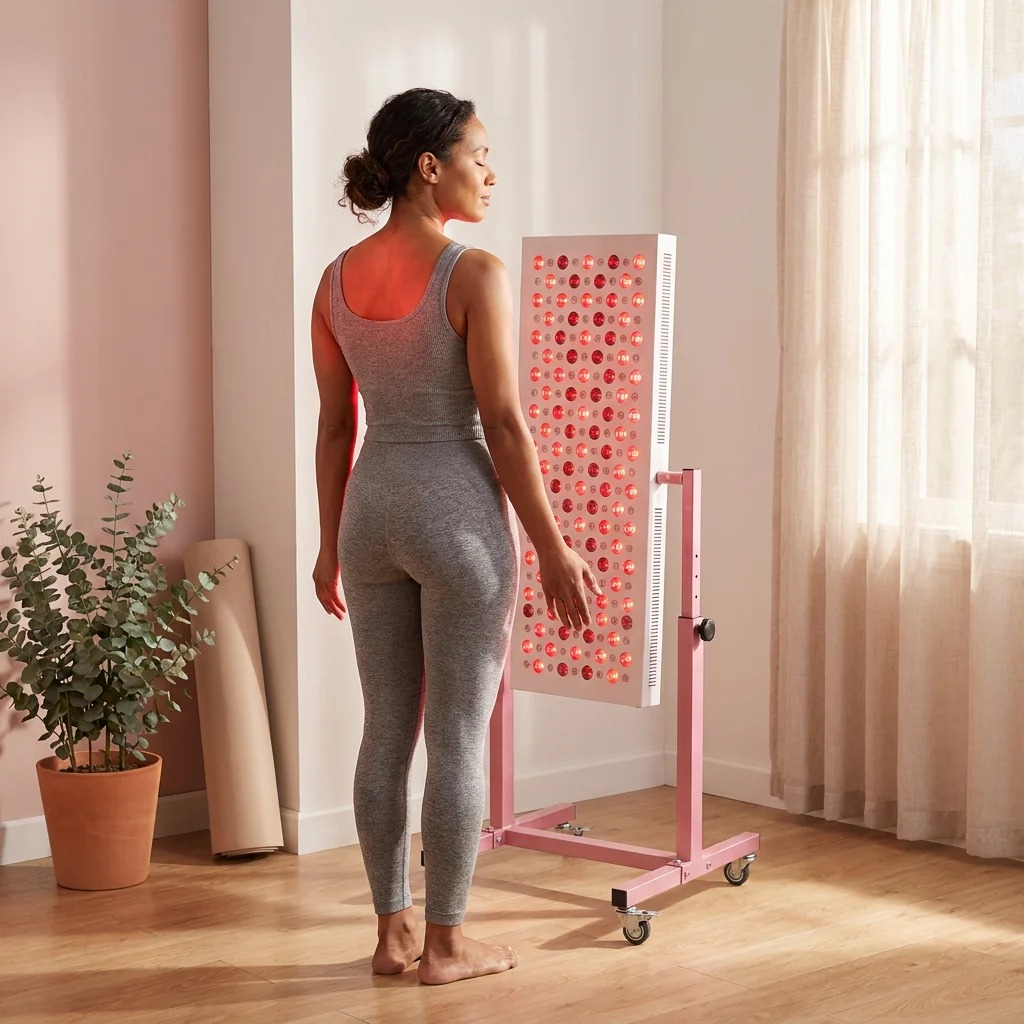
Red Light Therapy: Light to Support Recovery
What it does: Uses specific wavelengths of red and near-infrared light to support your cells and circulation.
Best for: Targeted spots like knees, shoulders, and lower back, plus anyone short on time. Sessions are about 10 to 20 minutes.
Keep in mind: Consistency matters more than any single session, and device quality varies a lot.
Quick Comparison
- Short on time? Red light therapy.
- Stiff and stressed? Infrared sauna.
- Sore after hard play? Cold plunge.
- Limited space? Red light pad.
- Want the full routine? Combine them over time (see our recovery routine guide).
Doc's Advice
Don't buy all three at once. Pick the one you'll use at least three times a week, build the habit, and add from there. The best recovery tool is the one you actually use.
Ready to choose? Browse our recovery equipment and find your fit.
Disclaimer: This content is for general wellness and educational purposes only and is not intended to diagnose, treat, cure, or prevent any disease or condition. It is not a substitute for professional medical advice. Consult your physician or healthcare provider before using heat, cold, or light therapy, especially if you have a heart or circulation condition, are pregnant, take medications that affect circulation or light sensitivity, or have persistent pain or swelling. Follow manufacturer instructions.