Why Recovery Isn't Optional If You Want to Keep Playing
Here's a conversation I have at least once a week in my practice:
"Doc, I never used to get sore like this."
Then we talk. Usually it turns out they're still playing like they're 28, golf on Saturday, pickleball on Sunday, a weekday run to "stay in shape," and recovering like they've never heard the word. The body keeps score, and around 40 it starts sending invoices.
The good news is that staying active for decades isn't about toughing it out. It's about recovering smarter than you play.
What Actually Changes After 40?
Nothing falls off a cliff on your birthday. But gradually, a few things shift:
- Recovery takes longer. The soreness that vanished overnight at 25 can hang around for days.
- Muscle and joint resilience declines if you don't actively maintain it.
- Small tweaks become big problems. A tight hip or cranky knee you ignore tends to turn into a bigger issue.
None of this means slowing down. It means giving your body what it needs to keep up with what you ask of it.
"Just Push Through It" Is Terrible Advice
I admire the grit. I really do. But playing through pain without recovery is how a nagging ache becomes a three-month timeout. Recovery isn't a day off from your sport. It's part of the training that lets you keep playing.
The 4 Pillars of Recovery (Doc's Version)
1. Sleep
This is your free, built-in repair shop. If you're skimping on sleep, no gadget in the world will fully make up for it. Protect your seven to nine hours.
2. Strength and Smart Movement
Strong hips, glutes, quads, and core take pressure off your joints. Add gentle mobility work on off days, and your body handles game day better.
3. Fuel and Hydration
Protein, water, and real food help your body rebuild. Think of it as stocking the supply truck before the repair crew arrives.
4. Recovery Tools
This is where the fun equipment comes in. Heat, cold, light, and massage each do a different job:
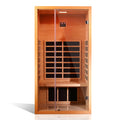
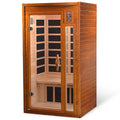
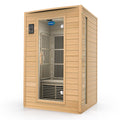
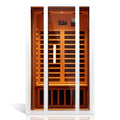
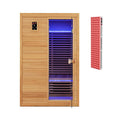
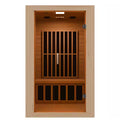
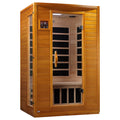
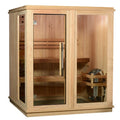
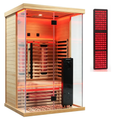
- Heat (sauna): relaxation and loosening up tight muscles.
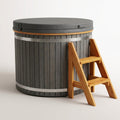
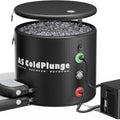
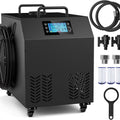
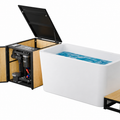
- Cold (cold plunge): helping take the edge off post-game soreness.
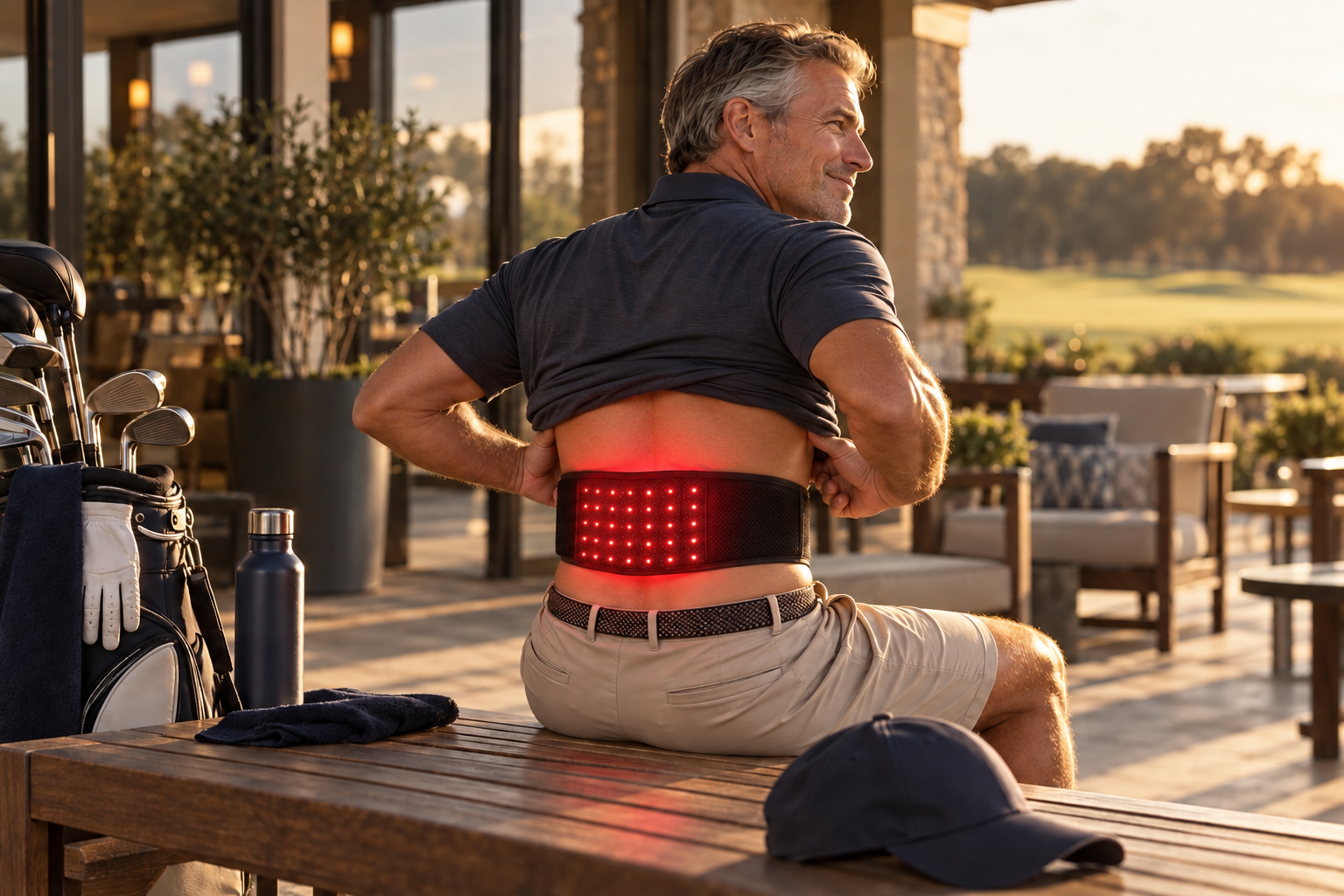
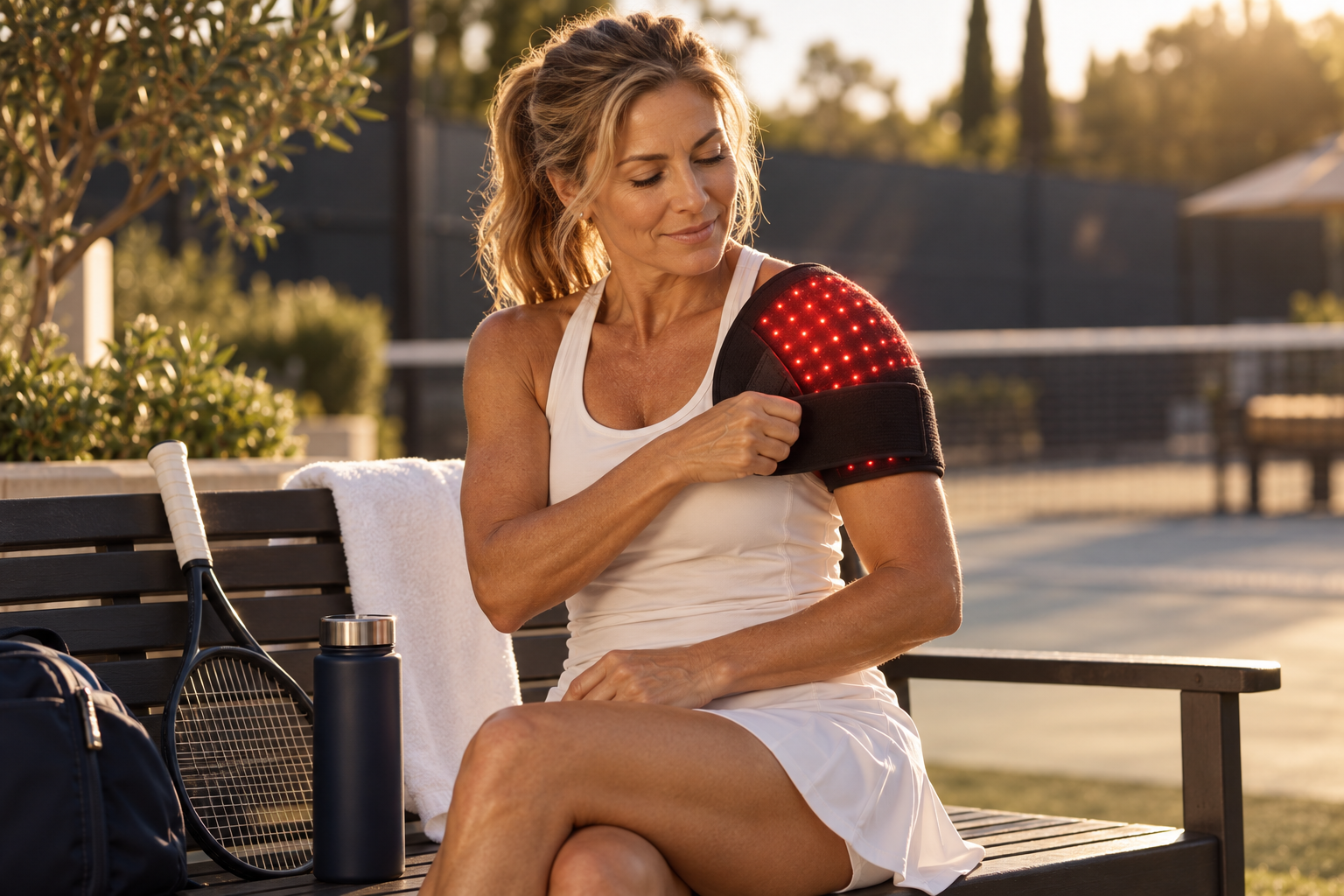
- Red light therapy: supporting your cells and circulation between sessions.
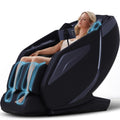
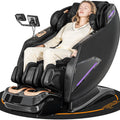
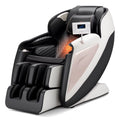
- Massage chairs: easing tension on the days your calendar doesn't allow a trip to the therapist.
Doc's Rule #1
Recover as seriously as you play. If you spend two hours on the court, give your body some intentional attention afterward. It doesn't have to take long. Ten to twenty minutes of the right routine, done consistently, beats an occasional marathon session.
Start Small
You don't need a full home recovery room tomorrow. Start with one habit:
- Pick one recovery tool that fits your life.
- Use it after your hardest sessions.
- Stay consistent for four weeks and notice how you feel.
Ready to find what fits your game? Browse our recovery equipment and let's keep you playing for the long haul.
Disclaimer: This content is for general wellness and educational purposes only and is not intended to diagnose, treat, cure, or prevent any disease or condition. It is not a substitute for professional medical advice. Consult your physician or healthcare provider before starting any new recovery routine, especially if you have a medical condition, are pregnant, or have persistent pain or swelling.