Why Your Best Recovery Happens at Night
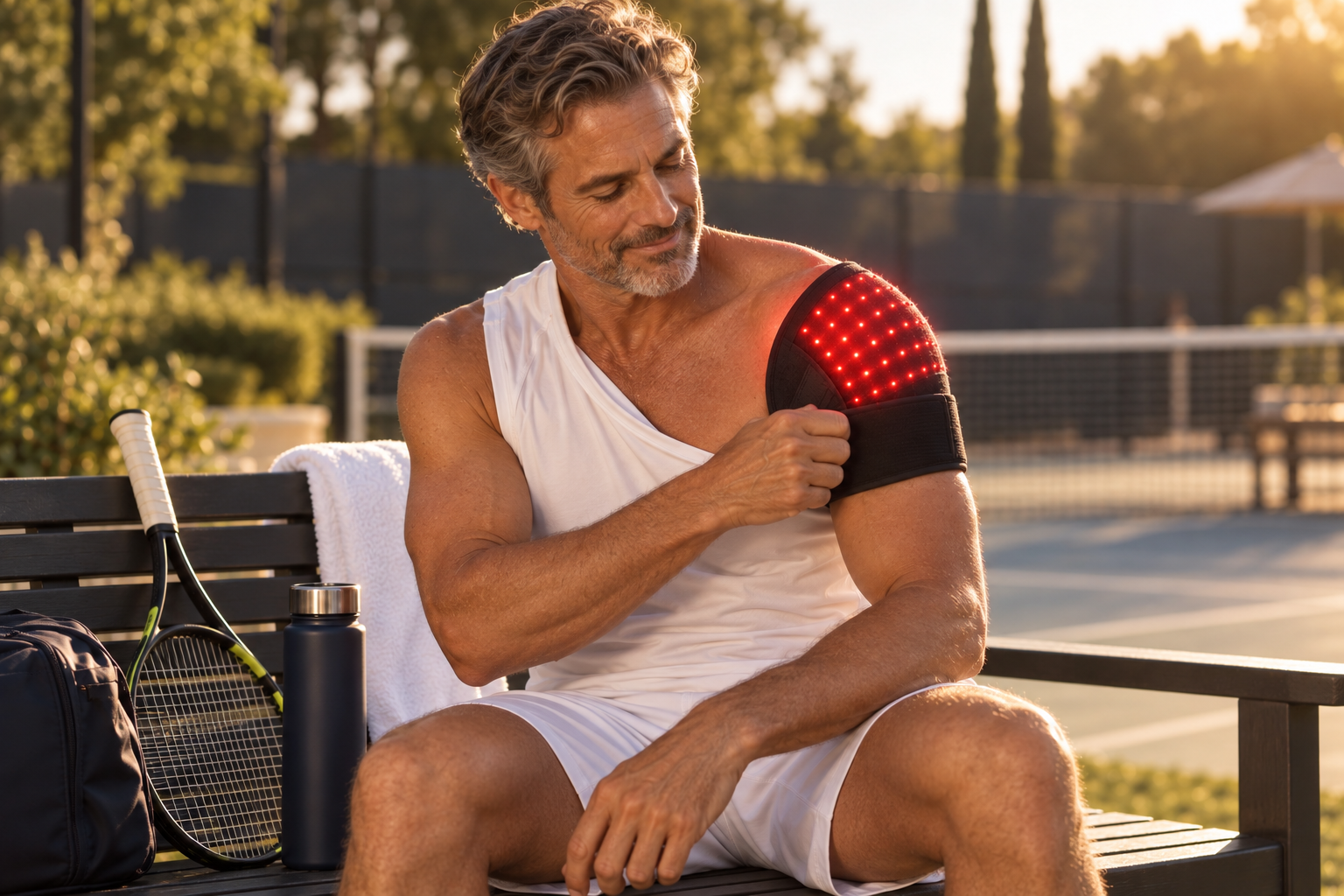
Golf and tennis have something in common: your shoulders do a lot of the work. Thousands of swings add up, and the shoulder that felt fine at 30 can grumble at 55.
Red light therapy is one way to give a tired shoulder some support between rounds and matches. Here's how I explain it to patients.
Why Shoulders Get Cranky
- Repetition: swing after swing, serve after serve.
- Posture: desk time rounds the shoulders forward.
- Less recovery time: as we age, bounce-back slows.
How Red Light Therapy May Help
Red and near-infrared light are studied for their potential to support circulation and cellular energy in tissue. Many players use it as part of a routine to ease post-play soreness and keep tight, tired shoulders more comfortable.
How to Use It
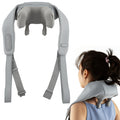
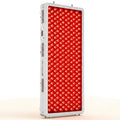
- Choose the right size. A smaller pad can wrap a shoulder well. A larger panel can cover shoulders and upper back together.
- Expose the area. Light works best when it reaches the skin, so remove clothing over the treatment area.
- Follow the device's instructions for distance and session length. Typical sessions run 10 to 20 minutes.
- Be consistent. Several times per week usually beats an occasional long session.
- Protect your eyes. Don't stare directly into the lights.

Pair It with Good Habits
- Warm up your shoulders before play.
- Strengthen the upper back and rotator cuff muscles.
- Take posture breaks if you sit all day.
When to Get Checked
If you have shoulder pain that wakes you at night, weakness, a catching or clicking feeling, or pain that isn't improving, get it examined. Recovery tools support healthy bodies, and they don't replace a proper evaluation.
Looking for a pad that fits? Shop our red light therapy options.
Disclaimer: This content is for general wellness and educational purposes only and is not intended to diagnose, treat, cure, or prevent any disease or condition. Red light therapy devices are not a substitute for professional medical advice. Consult your physician or healthcare provider before use, especially if you are pregnant, have a photosensitive condition, take photosensitizing medications, or have persistent shoulder pain, weakness, or injury.